Wuxiaworld - Online Novels
- 3.8
- Rating
- 500.00K
- Installs
- Free
- Price
 Analysis by App-foxy
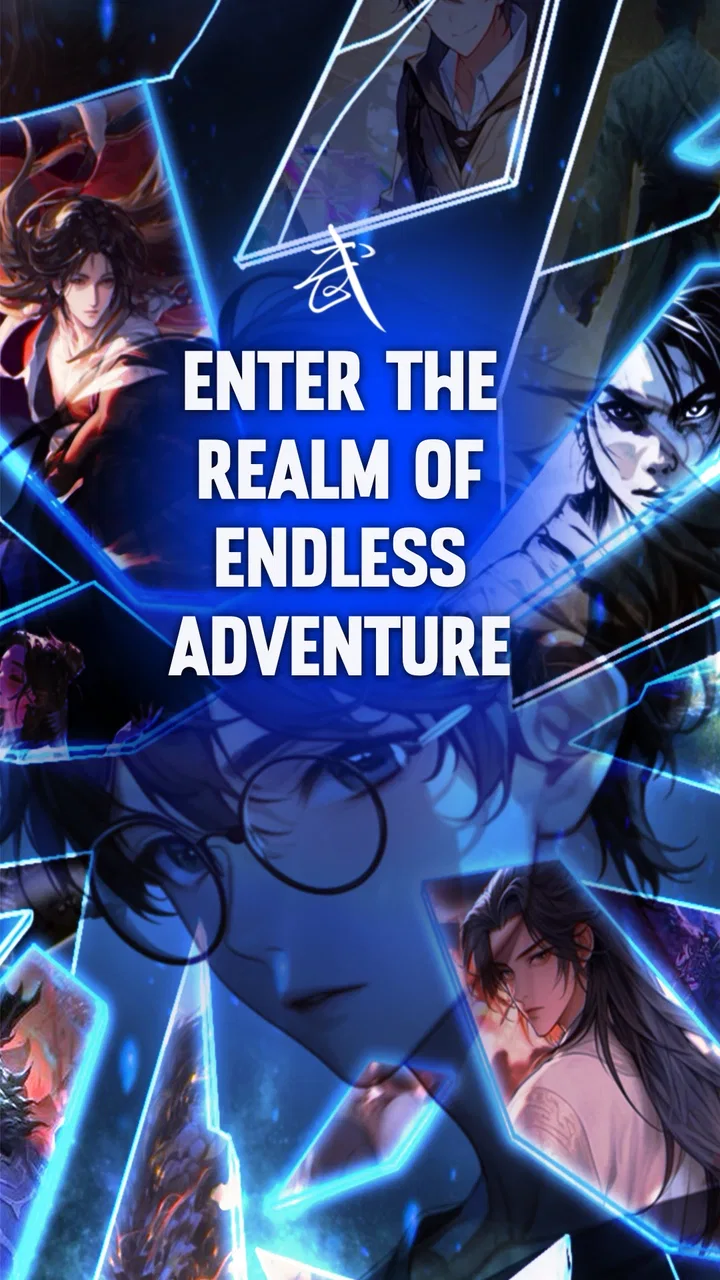
I approached Wuxiaworld - Online Novels as someone looking for a better way to read Chinese and Korean fiction on a phone, rather than as someone browsing for a quick distraction. That distinction matters. This is a Books & Reference app from Wuxiaworld, and its appeal comes from giving long-form translated fiction a dedicated reading space instead of making you search through a general ebook library.
My first impression was that the app makes the most sense when you already know what kind of stories you want: martial-arts adventures, cultivation sagas, historical fantasy, or Korean-style serialized fiction. If those genres are new to you, the amount of unfamiliar terminology and the sheer length of some stories can feel intimidating. Still, the free entry point makes it easy to explore before deciding whether the reading experience suits you.
What to expect before you start reading
The app is free to install, but it includes in-app purchases ranging from $0.99 to $300.00 per item. I would not treat that as a reason to avoid it, but I would pay attention to which parts of the reading experience are available without spending and which may encourage purchases. The best approach is to begin with a story that genuinely interests you, read enough to understand the rhythm of the platform, and only then consider paying for anything.
You May Also Like

 Blood Strike: 2.5 Anniversary
Blood Strike’s Loadouts Turn Every Drop Into a Tactical Gamble
A close look at Blood Strike’s custom loadouts: how fast access to signature weapons reshapes its battle royale rhythm, rewards preparation, and narrows the gap between fights.

 Pandora - Music & Podcasts
Pandora’s Music Is Easy to Start, but Harder to Recover
Pandora’s strength is its low-effort path from a seed to a station. Its weak spot is how much confidence it asks you to place in connection, setup, and quiet recovery.

 8 Ball Pool
 Is Built on Rivalries, Rematches, and Routine
A close look at the rivalries, rematches, shared routines, and unanswered safety questions that turn a quick pool match into a persistent mobile community.

 Samsung Music
’s Quiet Strength Is Playing What You Already Own
Its reach comes less from spectacle than from dependable access to a personal library. That simplicity is both the app’s strongest retention engine and its ceiling.

 AccuWeather: Weather Radar
AccuWeather Review: A Quick, Clear Forecast for Everyday Decisions
For everyday plans, the best forecast is the one you can understand quickly. AccuWeather makes rain timing, radar, and local conditions easy to act on, with a few trade-offs.

 Hill Climb Racing
Why Hill Climb Racing Still Turns Crashes Into One More Run
A tiny car, a bumpy hill and one more upgrade: Hill Climb Racing keeps resurfacing because its simple chaos makes every near-miss feel personal.
More From Our News Desk



Wuxiaworld is aimed at teen readers, which fits the broad tone of its fiction library, but that rating should not be interpreted as a promise that every story will suit every reader. Chinese and Korean fiction covers many moods and themes. Some novels are light and adventurous, while others involve darker conflict, romance, revenge, political tension, or emotionally heavy scenes. I recommend checking the description and early chapters before settling into a long series.
The app has been available since August 23, 2019, and its current version is 2.9.3. It supports devices running Android 7.0 or later. That combination makes it accessible on many older Android phones, although the actual comfort of reading will depend more on your screen, battery condition, and how well your device handles long sessions than on the minimum operating system alone.
Its average rating is 3.8 from around 4.8 thousand ratings, with roughly 437 written reviews. I read that as a sign of a useful but not universally smooth experience. The app clearly has an established audience, and its install count has passed 500 thousand, yet the score also suggests that readers may disagree about navigation, access, presentation, or the way serialized reading is handled.
Why this is different from a normal ebook reader
A conventional ebook app is usually built around books you already own or import. Wuxiaworld feels more like a focused fiction catalogue and reading service. You are not simply opening an EPUB and adjusting the page; you are choosing from an ongoing world of serialized stories and deciding which titles deserve your time.
That difference changes how I use it. With a standard reader, I might download a novel for a trip and read it from beginning to end. Here, I am more likely to follow one story over several shorter sessions, check what is available next, and keep a small group of titles in mind. It is a better fit for readers who enjoy returning to a continuing story than for someone who wants a single self-contained book every weekend.
It also makes the app more useful for readers who want to discover translated fiction without building a collection manually. A general library app can contain translated books, but it rarely gives this particular mix of Chinese and Korean storytelling the same emphasis. On the other hand, if your priority is owning DRM-free files, reading across many unrelated publishers, or using advanced ebook-management tools, a traditional reader may be the better choice.
Setting it up without making the experience complicated
After installing the app, I would keep the first session deliberately simple. Start by browsing rather than trying to understand every available option. Look for a story whose premise is immediately clear to you, open its description, and read the beginning before worrying about building a perfect library. A first-time reader can lose momentum by treating the app like a catalogue-management project.
One practical tip is to choose a title based on the kind of commitment you want to make. If you only have a few minutes during commutes, begin with something that makes progress easy in short bursts. If you enjoy spending an evening with one world, choose a story whose opening gives you enough context to remember characters and factions between sessions. This simple choice has a bigger effect on satisfaction than endlessly comparing thumbnails.
I also suggest testing the reading screen before you settle in. Check whether the text size, spacing, and brightness feel comfortable on your phone. Long serialized fiction can expose small reading problems very quickly. A font that looks fine for five minutes may become tiring after several chapters, especially if you read in bed or on public transport.
Another useful habit is to treat your first saved story as a test rather than a commitment. If the opening chapters feel overloaded with names, ranks, clans, or unfamiliar terminology, that does not necessarily mean the app is poor or the genre is not for you. It may simply be the wrong starting point. Try a different premise before deciding that all of Wuxiaworld is difficult to enter.
Finding a first story you will actually finish
For a newcomer, the most important choice is not finding the “best” novel. It is finding a novel with a premise you can explain in one sentence. When I can summarize the central situation quickly, I remember the story better after a break and I am less likely to confuse supporting characters.
Pay attention to the opening tone as well. Some fiction begins with immediate action, while other stories spend time establishing a family, school, court, sect, or social hierarchy. Neither approach is automatically better. If you want fast momentum, do not force yourself through a slow introduction simply because the title is popular. If you enjoy world-building, give a slower opening enough room to show what it is doing.
A second non-obvious tip is to notice how much terminology you are willing to learn. Cultivation and martial-arts fiction often uses systems of ranks, techniques, realms, artifacts, and relationships that become meaningful later. I find the experience much easier when I accept that I will not remember everything immediately. Instead of stopping at every unfamiliar term, I follow the main action and let repeated words acquire meaning naturally.
This is also where the app can be more demanding than a paperback. A physical novel often provides a stable, edited object with a clear endpoint. A serialized reading service asks you to manage your own attention. You need to decide whether to continue, pause, switch stories, or spend money. That flexibility is valuable, but it puts more responsibility on the reader.
Your first meaningful success in the app
For me, the first successful action is not merely opening a chapter. It is reaching a point where I can close the app, return later, and immediately know what I was reading and why I wanted to continue. To get there, I recommend reading a few chapters in one sitting instead of judging a title from its first screen alone.
Once a story has your attention, make the reading routine fit your day. A short session during lunch works well for checking the latest part of a story, while a longer evening session is better for learning a complicated setting. I would avoid starting several demanding novels at once. The app makes discovery tempting, but too many active stories can turn reading into a chore.
A realistic everyday scenario is a train journey with unreliable free time. I might open the app expecting to read for twenty minutes, get interrupted, and return later that evening. The value comes from being able to continue a focused fiction habit without carrying a paperback. That same convenience can work for waiting rooms, quiet breaks, or winding down before sleep, provided the screen is comfortable and the story does not keep you awake.
Readers should also think about connectivity and battery in practical terms. I would not assume that every part of the experience will be equally convenient when travelling or when the phone is close to full storage. Before relying on the app for a long trip, open the story and test the exact reading flow you expect to use. A few minutes of preparation is better than discovering a problem after leaving home.
If you decide to make a purchase, do it because you understand what it changes for your reading, not because a locked or limited section creates pressure. The wide purchase range means spending can become significant for a committed reader. I would set a personal limit in advance and compare that cost with how often I actually use the app. Someone who reads daily may see more value than someone who only opens it when bored.
Where new readers commonly get confused
The biggest source of confusion is the difference between discovering a story and having uninterrupted access to everything you want to read. A title can look appealing, yet the reading path may involve chapters, availability choices, or purchase prompts that are not obvious to someone accustomed to ordinary library apps. I recommend reading the on-screen wording carefully instead of tapping through quickly.
Another point of friction is the scale of the stories. A long novel can feel like an endless project, especially when you are used to books with a fixed page count. I handle this by setting small goals: one chapter during a break, a few chapters on a quiet evening, or a stopping point after a major scene. The app becomes more relaxing when I stop measuring success by finishing an enormous series.
Terminology can cause a different kind of confusion. Translated fiction may preserve names for ranks, techniques, places, and cultural concepts that do not have an obvious equivalent in everyday English. Rather than assuming every term needs immediate research, I look for context and repetition. If a word appears beside a character’s actions several times, its function usually becomes clearer. This keeps the reading flow intact.
Translation style is another trade-off worth understanding. A translated novel can have a distinctive rhythm, and not every sentence will read like a contemporary English paperback. I am willing to accept some unusual phrasing when the characters, setting, and long-term plot are engaging. However, readers who need polished literary prose in every paragraph may prefer professionally edited mainstream ebooks.
The rating of Teen is helpful as a broad guide, but I would still make a personal content decision story by story. Parents choosing the app for a younger teen should browse titles together rather than assuming the category label removes the need for judgment. Adult readers should do the same for their own preferences, particularly if they want to avoid violence, romance, or darker themes.
How to get more from the reading habit
Once the basic routine works, I would use the app as a discovery tool rather than only as a place to consume one ongoing story. Try contrasting a Chinese novel with a Korean one so you can notice differences in pacing, character focus, and world-building. This makes the catalogue feel broader and helps you identify what you actually enjoy instead of following whichever title appears first.
A useful workflow is to keep one “easy return” story and one more demanding story. The first should be readable when you are tired or distracted. The second can be reserved for longer sessions when you have the attention to follow political details, cultivation systems, or a large cast. This two-track approach prevents a difficult novel from making the entire app feel inaccessible.
I would also avoid judging a story solely by its opening conflict. Serialized fiction often plants details that matter much later, and early chapters may be establishing the rules of a world rather than delivering the strongest action. At the same time, patience has limits. If the characters, tone, and basic premise do not interest you after a fair trial, switching titles is a sensible use of the app, not a failure.
For readers who like discussing fiction, the app can become a starting point for remembering names, factions, and plot turns, but I would be cautious about seeking outside explanations too early. Searching for a term or character can expose later developments. My preference is to let the story answer its own questions first, then look for clarification only when confusion is genuinely blocking enjoyment.
The app is also a poor match for people who want a distraction-free, ownership-focused reading setup. If you already have a carefully organized ebook library, use an e-ink reader, or prefer to buy complete novels from one shop, Wuxiaworld may feel more like a separate ecosystem than a replacement. Its strength is the focused selection of Chinese and Korean fiction, not universal compatibility with every reading habit.
Who should install it, and who should skip it?
I would recommend it to readers who enjoy ongoing stories, translated Asian fiction, and the feeling of following a large fictional world over time. It is especially suitable if your phone is already your main reading device and you want a dedicated place to explore martial-arts, cultivation, fantasy, or Korean serial fiction.
I would be more hesitant to recommend it to someone who wants a single finished novel, highly polished literary translation, or a completely purchase-free experience. It may also frustrate readers who dislike learning unfamiliar terminology or who want every reading choice to be obvious without exploring the interface.
The developer, Wuxiaworld, has built an app with a clear identity rather than a general-purpose book shelf. That focus is its main advantage and its main limitation. You get a more relevant destination for this particular kind of fiction, but you should not expect it to replace a broad ebook reader, library service, or personal document reader.
My final recommendation after settling into it
I see Wuxiaworld as a good gateway for anyone curious about Chinese and Korean fiction but unsure where to begin. The free installation lowers the risk, Android 7.0 support keeps the technical barrier modest, and the dedicated catalogue gives the app a purpose that ordinary ebook tools do not share.
My advice is to start slowly: choose one approachable story, adjust the reading screen, read enough chapters to find the rhythm, and only then decide whether you want to follow it seriously. Keep your spending deliberate, especially because individual in-app purchases can reach $300.00. The best experience comes from treating the app as a long-term reading service, not as a quick catalogue to browse once.
It is not perfect, and the 3.8 average reflects that some readers will encounter friction. Still, I think the app earns a place on the phone of anyone who genuinely enjoys serialized translated fiction. If you want a focused path into Chinese and Korean online novels, Wuxiaworld is worth trying; if you want conventional ebooks with simple ownership and a fixed ending, choose a standard reader instead.
FAQs for Wuxiaworld - Online Novels
01What is Wuxiaworld - Online Novels?
Wuxiaworld - Online Novels is a reading app focused on translated Asian web novels, especially wuxia, xianxia, cultivation, fantasy, and related adventure genres. It gives readers access to serialized stories, organized libraries, chapter updates, and reading tools designed for long-form mobile reading. The catalog and availability of particular novels may vary by region and licensing agreements.
02Is Wuxiaworld - Online Novels free to use?
The app can generally be downloaded and used to read selected content without an upfront purchase, but not every chapter or novel is necessarily free. Some stories may include locked chapters, premium currency, subscriptions, or other in-app purchase options. Before spending money, check the title’s access rules, pricing, and whether the available free chapters are sufficient for your reading preferences.
03What types of novels can I read in the app?
Wuxiaworld primarily caters to readers who enjoy martial-arts fiction, cultivation adventures, immortal protagonists, fantasy worlds, action, romance, and progression-based storytelling. Its library often includes ongoing and completed translated web novels, although genres and titles can change over time. If you prefer literary fiction, short stories, or non-Asian novels, the selection may feel more limited.
04Does the app support offline reading?
Offline reading availability can depend on the specific novel, chapter, account status, and current version of the application. When the feature is offered, chapters usually need to be saved while you have an internet connection before they can be opened without mobile data. It is worth testing downloaded chapters before traveling, since access rules, expiration limits, or synchronization requirements may apply.
05Is Wuxiaworld suitable for younger readers?
The app is not automatically suitable for every child or teenager because individual novels can contain violence, mature themes, romance, frightening situations, or adult-oriented language. Content standards may differ between titles and authors. Parents should review the app-store age rating, read the description of each novel, and consider using device-level parental controls if younger readers will access the platform.
Pros
- Large library of translated wuxia and xianxia web novels.
- New chapters are added regularly for ongoing series.
- Clean reading interface with adjustable text and display settings.
- Progress syncing makes it easy to continue across devices.
- Community comments help readers discuss chapters and theories.
Cons
- Many popular chapters require coins or a paid membership.
- Some translations vary in quality between different series.
- The catalog can feel overwhelming for new readers.
- Ongoing novels may leave readers waiting for future chapters.
- Offline reading availability may depend on the title or subscription.

Wuxiaworld - Online Novels
Gallery